
One of the significant key findings of the 2023 National Nutrition Survey is that among Filipino adults, 4 in every 10 (39.8%) are living with obesity. The numbers are even higher for women (45.4%) and for those in urban areas (44.5%). These figures paint a worrying picture—not just for waistlines, but for overall health. Because obesity is not merely about appearance; it’s a cunning, long-term disease that works in the shadows, quietly harming vital organs. One of its most important, and often overlooked, victim is your liver.
Your liver is the silent workhorse of your body. Day in and day out, it processes the nutrients from your meals, filters out toxins, regulates blood sugar, and helps fight infections. It never asks for recognition, but without it, your body’s systems would collapse. Most of the time, you don’t even notice it’s there—until something goes wrong. And by then, the battle is much harder to win.
Obesity presents the liver with a particularly tough challenge. In medical terms, obesity occurs when excess body fat accumulates to the point of harming your health, typically measured by the Body Mass Index (BMI), a simple calculation based on height and weight. Traditionally, a BMI of 25–29.9 was considered overweight, and 30 or higher was labeled obese. But for Asians, including Filipinos, danger often strikes sooner. Health experts now recommend the Asia-Pacific BMI cut-offs: overweight starting at 23 and obesity at 25.
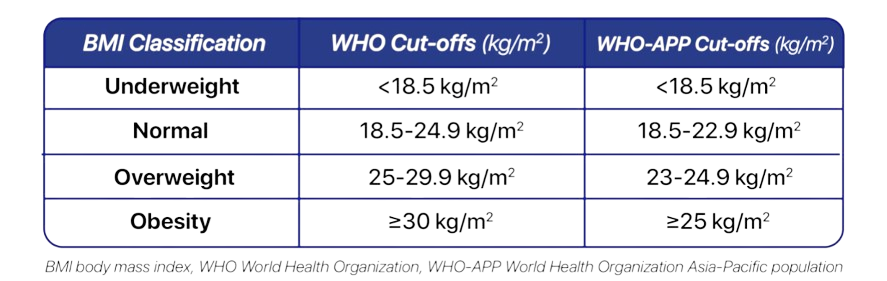
Why? Studies on adult Filipinos abroad found that even “a few extra kilos” above a BMI of 23 can double the risk of high blood pressure, and being in the obesity range can triple the risk of developing high blood pressure or diabetes. That means many people who believe they are just a little heavy may already be in the danger zone.
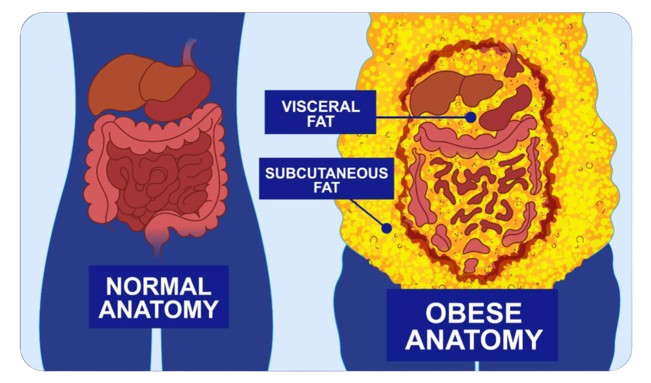
Obesity attacks the liver in ways that aren’t immediately obvious. Extra weight, especially around the waist, does not just sit under the skin—it seeps into the space around your organs, including your liver. This “visceral fat” sparks inflammation and disrupts how your body handles insulin, forcing the liver to store even more fat. At first, this shows up as fatty liver disease, often without symptoms. If left unchecked, it can escalate to non-alcoholic steatohepatitis (NASH), where fat causes inflammation and liver cell injury. Over time, scarring—known as fibrosis—sets in, which can progress to cirrhosis, where healthy liver tissue is replaced by hard, non-functioning scar tissue. At this stage, the risk of liver failure or cancer becomes alarmingly high.
In the Philippines, research shows that overweight and obesity are the strongest risk factors for this condition, especially for women, people with diabetes, and those with high cholesterol. Yet the liver often fights in silence. You may feel perfectly fine even while damage is mounting. By the time symptoms like yellowing skin, abdominal swelling, or persistent fatigue appear, the harm may already be extensive—and sometimes irreversible.
The good news is that the liver has remarkable resilience if you catch the problem early. Losing just 7–10% of your body weight can dramatically reduce liver fat and inflammation. Regular movement—whether walking briskly, cycling, or dancing—helps burn fat and improve how your body handles sugar. A diet rich in vegetables, fruits, whole grains, and fish while limiting sugary drinks, processed snacks, and fatty meats gives your liver the breathing room it needs. Managing blood pressure, blood sugar, and cholesterol helps remove other obstacles in the
liver’s fight for health. And even if your liver disease isn’t caused by alcohol, steering clear of unnecessary drinking prevents adding fuel to the fire.
In this battle, your liver isn’t alone. Just as every hero needs an ally, it can benefit from targeted support. While there are no guidelines recommending supplements that treat fatty liver, there are multiple “liver vitamins and supplements” in the local market that may help control liver inflammation. This includes Essentiale, Liverprime, Silymarin, and Hepastrong Amino. They can help the liver maintain healthy enzyme levels while you work on lifestyle changes. It’s not a substitute for healthy habits, but it can be a reliable partner in keeping your liver strong.
Obesity may be a formidable adversary, but it’s beatable. With early action, smart lifestyle choices, and with the aid of some vitamins and supplements, you can help your liver not just survive but thrive—ensuring that this quiet hero keeps working for you during your lifetime.
SOURCES:
1. Ornos, E. D., Murillo, K. J., & Ong, J. P. (2023). Liver diseases: Perspective from the Philippines. Annals of Hepatology, 28(3), 101085.
2. Philippine Clinical Practice Guidelines for the Screening and Diagnosis of Obesity in Adults
3. https://www.fnri.dost.gov.ph/images/sources/FNRIUpdates2024/Updates_December2024.pdf
4. https://hsp.org.ph/resources-for-patients-faqs-on-fatty-liver/